Hedge Trimming in Hornsey
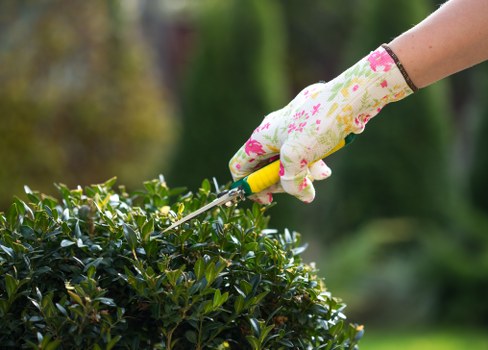
Hedge trimming in Hornsey is a practical way to keep boundary planting neat, controlled and healthy through the season. Our service focuses on shaping hedges, reducing overgrowth and maintaining a finish that suits the garden rather than forcing it into an unnatural look. Whether the job calls for light tidying or a more considered cut back, the aim is to leave the hedge with clear lines, better balance and improved light where it is needed.
The work can suit front gardens, rear plots, shared boundaries and longer runs that need careful attention to height and spread. We handle different hedge forms with an approach that supports the plant as well as the appearance, because a tidy hedge still needs enough growth left in the right places. If you are comparing options, start with the result you want: privacy, definition, access or general upkeep, then ask for a quotation for the work that fits.
Regular trimming is often the simplest way to prevent hedges from becoming awkward to manage. It can also help keep paths usable, stop branches spilling into adjoining spaces and make the whole garden feel more ordered. For a quotation, send the main details of the hedge and the area you want maintained, and we can discuss the most suitable scope.
Shaping and routine hedge care
Routine hedge trimming is about more than cutting back new growth. A good trim keeps the hedge dense where it should be dense, discourages weak spindly growth and helps the plant maintain a shape that is manageable next time. For many gardens, the most useful approach is a light, consistent cut carried out before the hedge becomes difficult to control. That keeps the work straightforward and avoids the need for harsh correction later on.
We can also work with hedges that need a more defined form, such as level tops, squared sides or softened curves. Different species respond in different ways, so the cutting method should match the plant rather than follow a single pattern. When you request a quotation, it helps to know whether you want simple maintenance, a reduction in size or a cleaner ornamental outline. Please get in touch if you would like the hedge assessed for the right level of trimming.
What a trim may include
Depending on the hedge and the condition it is in, the work may include careful side reduction, topping to improve height control, tidying the front face for a more even line and removing awkward growth that makes the hedge look patchy. We can also deal with corners, returns and sections that have grown unevenly after a missed season. Where needed, we will shape the hedge so it looks tidy from the garden side as well as from the street or neighbouring boundary.
Reducing overgrowth and restoring control

Some hedges need more than maintenance trimming. If the growth has gone beyond the usual seasonal tidy-up, a reduction can restore proportion and make the hedge easier to maintain in future. This sort of work needs judgement, because taking too much from the wrong places can leave gaps or expose bare sections. The sensible approach is to reduce the bulk while keeping enough healthy growth to support recovery and future shaping.
We can look at hedges that have started to encroach on drives, paths, fences or planting beds, then advise on the practical level of cutback. In some cases the safest result is a staged reduction rather than a single heavy pass, particularly where the hedge is mature or uneven. If you are unsure whether the hedge needs trimming or a deeper reduction, ask for a quotation and include a brief description of how far the growth has spread. That will help define the work clearly.
Choosing the right approach
There is a difference between a hedge that is simply untidy and one that has grown into a shape that no longer suits the space. The first usually needs routine trimming; the second may need a more deliberate reduction plan. A careful assessment matters because some species respond well to stronger cuts, while others should be handled with a lighter touch. We aim to keep the hedge manageable without stripping away the structure that allows it to fill out again.
Boundary hedges, access and garden presentation
Boundary hedges often have a dual role: they define the garden and they affect how the property feels from outside. A clean, even edge can improve the look of a frontage, while a well-kept rear hedge can make outdoor space feel calmer and easier to use. Trimming is therefore as much about presentation as it is about control, especially where the hedge frames a path, seating area or entrance.
Access and access limits also matter. Narrow side passages, raised beds, delicate planting below the hedge and close fencing all affect how the work should be carried out. We work with the hedge itself first, then plan the trimming so the surrounding garden is not needlessly disturbed. Careful preparation means the finished result looks deliberate rather than rushed, and it usually makes the next trim easier too. Please send a few details and request a quotation if you would like the boundary hedge handled neatly.
- Front-facing hedges that shape the first impression of the property
- Rear and side hedges that need consistent seasonal control
- Sections that have grown unevenly after missed maintenance
- Hedges close to paths, fencing or planting that need careful handling
Tools, cut quality and seasonal timing

The quality of the finish depends on more than the final line. Cutting equipment, blade condition and the angle of the trim all affect how the hedge recovers and how evenly new growth appears. A blunt or careless cut can leave ragged surfaces, while a balanced pass helps the hedge retain a natural density. For that reason, the work should be planned around the hedge type and the result you want, not just the quickest way to get through the job.
Seasonal timing is also worth considering. Some hedges benefit from one main tidy-up and then lighter maintenance later, while others need a more regular touch to stay in shape. A hedge that is trimmed at the right point in the growing cycle usually responds more predictably than one cut at random intervals. If you are arranging upkeep for the year ahead, it can be useful to describe the hedge species, current height and the sort of finish you prefer.
Keeping growth under control
Good hedge care aims to keep the structure even without forcing the plant into repeated hard cuts. That means working with the natural habit of the hedge, balancing the top and sides, and avoiding unnecessary stress. It also means understanding when a hedge should be left a little fuller for recovery and when it can be reduced more firmly. The right plan depends on the plant, the size of the job and the level of change you want to see.
Hedge cutting for different garden layouts
Not every hedge sits in the same kind of setting. Some are narrow and formal, running along a drive or front boundary, while others are broad, mixed-height features that divide zones within a garden. The trimming approach should suit that layout. A formal hedge usually needs crisp geometry and consistent lines; a softer screen may only need tidying to keep it looking full and balanced. Our work is shaped around the hedge in front of us, not a one-size-fits-all method.
Layout also influences how the cut is made from season to season. A hedge that serves as a privacy screen may need its height preserved, while a hedge that frames a border may benefit from a lower, cleaner profile. Where a hedge sits near flowers or lawn edges, the finish has to be neat enough to complement the rest of the garden. For a quotation, it is useful to say what role the hedge plays so the trimming can be matched to that purpose.
In practice, the best outcomes come from maintaining shape, balance and usability together. That may mean keeping the sides straight, easing back uneven growth or shortening the top slightly so the hedge no longer feels heavy. The aim is always a tidy result that still looks like the right plant in the right place.
About Hornsey
Hornsey is an area in north London within the London Borough of Haringey, known for a mix of residential streets, historic buildings and busy urban connections. Its centre has long been associated with Hornsey High Street and the surrounding conservation areas, where older houses sit alongside later development. The district’s history reaches back to a medieval parish, and traces of that past remain visible in the layout of the streets and the character of some of the local buildings. One of the area’s most recognisable historic landmarks is Hornsey Town Hall, a modernist civic building completed in the 1930s and now strongly associated with the district’s architectural identity. Nearby, Alexandra Palace is one of north London’s best-known attractions and forms part of the wider local backdrop, offering open space, views and cultural activity. The area also includes access to green spaces such as Priory Park, which provides a calmer counterpoint to the denser streets around it. Hornsey station links the district into the wider rail network, while nearby transport corridors connect it to neighbouring parts of Haringey and beyond. The mixture of older terraces, communal streets, parks and civic landmarks gives Hornsey a varied urban character rather than a single uniform centre. That blend of history, housing and public space helps explain why the area has remained a distinct part of north London’s landscape for so long.
Finishing touches after the cut
Once the main cutting is complete, the finishing stage makes a real difference to how the hedge reads from different angles. This may include tidying the face, checking the line of the top, removing awkward protrusions and making sure the result looks consistent along the full length. A hedge can appear neat from one viewpoint yet still look uneven at the far end, so the final pass should be done with the whole run in mind rather than focusing on a single section.
Depending on the hedge and the surrounding garden, the finishing work may also involve attention to clippings and the edges left by the cut. A tidy outcome should leave the boundary looking intentional, not simply shortened. That is especially important where the hedge borders a path, driveway or seating area, because those areas need to feel clean and practical as well as attractive. If you are planning hedge trimming alongside other garden work, mention that when requesting a quotation so the scope is clear.
When maintenance becomes a better long-term plan
Some hedges are easiest to manage through regular light trimming rather than occasional larger work. That does not mean every garden needs a rigid schedule; it means the hedge should be cut in a way that supports steady shape and healthy recovery. A sensible maintenance plan often reduces the need for drastic change later. If your hedge has become difficult to keep in check, the next step is usually to decide whether it needs restoration now or a smaller trim that gets it back into routine care.
Preparing a quotation
To prepare a quotation, it helps to describe the hedge type, roughly how long it runs, the height you want to keep and whether you are looking for trimming, reduction or a complete tidy-up of an untidy section. Photographs can also make it easier to understand the outline and identify any awkward access points. If there are specific areas where you want the shape retained, mention those too. That way the quotation can reflect the actual work rather than a guess.
If the hedge is close to fencing, sheds, paving or delicate planting, say so at the outset. These details affect the way the job is approached and help avoid surprises once the work begins. You do not need a long description; a few clear notes are usually enough. For a quotation, please send the relevant information and tell us the level of finish you would like. If you are ready to compare options, this is a good time to request a quotation.
We keep the discussion focused on the hedge itself, the level of trim required and any practical limitations around the site. That makes it easier to agree the work, choose the right approach and avoid unnecessary revision later. A clear brief is often the best starting point for a tidy result.
Why a careful hedge trim matters
A careful hedge trim supports appearance, control and long-term manageability all at once. It can help prevent overhang, improve the line of the boundary and keep the hedge healthier than a hurried cut would. The difference is often visible in the shape as well as in the way the hedge grows back. When the work is carried out with attention to balance and plant type, the result feels more settled in the garden.
That is why the service is best treated as considered garden maintenance rather than a simple quick cut. Each hedge has its own habits, its own rate of growth and its own role in the space. We approach the work with that in mind so the finished hedge looks purposeful. If you would like to discuss the work, get in touch and request a quotation today.
Whether the task is seasonal trimming, a controlled reduction or a cleaner finish to a boundary hedge, the goal is the same: to leave the hedge neat, even and appropriate to the space it occupies. If you are planning ahead, ask for a quotation and we can help define the scope clearly.