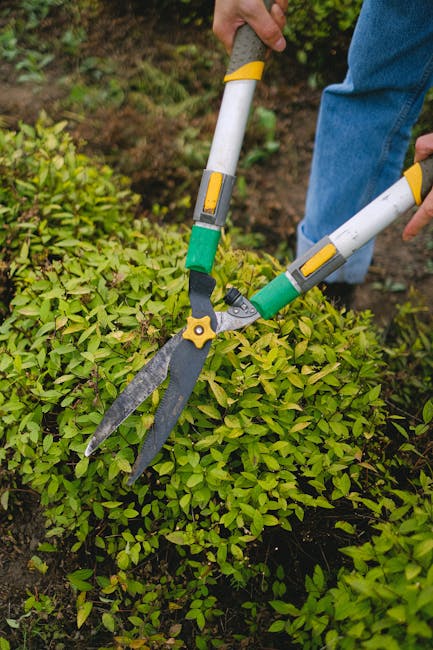
Real cost of emergency hedge cutting in Hornsey explained
If a hedge has suddenly become a problem, you usually notice it at the worst possible time. One wet, windy evening and a branch is leaning into the pavement, the driveway feels blocked, or a neighbour is giving you that look over the fence. The real cost of emergency hedge cutting in Hornsey explained is not just about the cutting itself. It includes urgency, access, hedge size, waste removal, safety risks, and how quickly the work needs to be done. In Hornsey, where gardens can be tight, shared boundaries are common, and access is often awkward, those details matter more than people expect.
This guide breaks down what you are actually paying for, what pushes the price up or down, and how to avoid overpaying when time is short. You will also see when emergency trimming is worth it, when a planned visit is the smarter move, and how to judge a quote without getting lost in jargon. Let's face it, emergency work always feels expensive until you know what is driving the number.
Table of Contents
- Why real emergency hedge cutting costs matter in Hornsey
- How emergency hedge cutting pricing works
- Key benefits and practical advantages
- Who this is for and when it makes sense
- Step-by-step guidance
- Expert tips for better results
- Common mistakes to avoid
- Tools, resources and recommendations
- Law, compliance and best practice
- Options, methods and comparison table
- Case study or real-world example
- Practical checklist
- Conclusion
- Frequently asked questions
Why Real cost of emergency hedge cutting in Hornsey explained Matters
An emergency hedge cut is not the same as a routine tidy-up. It usually happens because something has become urgent: the hedge is obscuring a path, interfering with access, hanging into a road or pavement, or creating a safety issue after a storm. In practical terms, the price is shaped by the speed of response and the conditions on site, not just how long the hedge is.
Hornsey properties often come with small front gardens, rear access via narrow side paths, or boundaries that sit close to neighbours' fences. That can make emergency work slower and more delicate. A straightforward trim in an open garden is one thing. A rushed job around parked cars, uneven ground, damp foliage, and limited waste access is another altogether. To be fair, that is where many people get caught out: they compare a quick quote for a regular trim with an emergency visit and assume someone is overcharging. Often they are not.
Understanding the real cost also helps you decide whether urgency is genuine. Sometimes a hedge only needs immediate attention because it has become inconvenient. Other times it is genuinely a risk. That difference matters, because the right response can save you money, reduce stress, and avoid patchwork fixes that end up costing more later.
If you want to compare emergency work with a more regular maintenance approach, it helps to look at the broader hedge trimming service and the wider garden maintenance options available for ongoing care.
How Real cost of emergency hedge cutting in Hornsey explained Works
Emergency hedge cutting pricing is usually built from a few moving parts. The first is the call-out or priority-response element. If a team has to reshuffle its schedule, travel at short notice, or attend out of normal hours, that affects the price. The second is labour time, which depends on the hedge height, thickness, condition, and whether the cut is a simple reduction or a more careful restoration.
Next comes access. A hedge on an open boundary is quicker than one reached only through a side gate with a wheelbarrow, or one where cuttings must be carried a long way. In Hornsey, that small detail can make a surprising difference. Waste removal is another factor. If a hedge has shed a lot of volume, disposal becomes a real part of the job, not a throwaway line on the invoice.
There is also the question of equipment. Light domestic trimming is one thing; overgrown hedges, awkward heights, or storm damage may need long-reach tools, additional safety gear, or a second person on site. Sometimes a hedge is so overgrown that the job starts to overlap with a broader clearance task. That is where services like garden clearance or even tree lopping and removal may become relevant, especially where branches have become tangled or unstable.
Most reputable providers will quote after asking for photos, hedge dimensions, access details, and whether the work is urgent because of safety, neighbours, or access. If a company gives you a firm price without asking anything at all, that can be a red flag. Sometimes it is just an estimate dressed up as certainty. That happens a lot, oddly enough.
Key Benefits and Practical Advantages
Emergency hedge cutting is rarely about aesthetics first. It is about restoring control quickly. Still, the side benefits are real and often immediate.
- Safer access: paths, gates, driveways, and sightlines are opened up again.
- Less neighbour friction: overhanging growth can be a sore point; a prompt cut often prevents complaints from escalating.
- Reduced risk of further damage: windrock, snapped stems, and collapsed sections are easier to manage before they worsen.
- Cleaner appearance: even a rushed trim can stop a garden looking neglected or blocked-in.
- Better planning later: once the immediate problem is under control, it is easier to schedule proper maintenance.
There is also a quieter benefit that people sometimes forget: peace of mind. When a hedge is pressing into daily life, it gets under your skin. You keep noticing it from the kitchen window. You hear branches brushing the fence in the night wind. Once it is cut back, the garden feels less tense. That sounds a bit dramatic, maybe, but it is true.
For longer-term reliability, many homeowners pair urgent work with a maintenance plan and a broader tidy of the plot using services overview guidance, especially if the garden also needs mowing, edging, or a broader reset.
Who This Is For and When It Makes Sense
Emergency hedge cutting makes sense for people dealing with actual urgency, not just impatience. You may need it if the hedge is:
- blocking a driveway, front path, or bin access
- obscuring visibility for vehicles or pedestrians
- leaning into a road, pavement, or shared access route
- damaged by wind or heavy rain
- at risk of falling onto a neighbour's boundary
- creating pressure on fencing, gutters, or outdoor structures
- making it difficult to carry out other essential garden work
It also makes sense for landlords, managing agents, and homeowners preparing for a sale or inspection where the hedge suddenly looks rough. That said, if the hedge is simply too big and overdue for trimming, you may be better off booking a normal appointment instead of paying a premium for speed. Urgent sounds useful, but not every problem needs a siren attached to it.
For gardens that need ongoing care rather than one-off rescue work, it is worth considering regular garden maintenance or a broader landscape gardening approach so the hedge does not reach crisis point again.
Step-by-Step Guidance
If you are trying to handle an emergency hedge issue without wasting time or money, a simple process helps. It keeps the decision clear when things feel a bit chaotic.
- Assess the actual problem. Is it a safety issue, access issue, neighbour issue, or simply an eyesore? Be honest here. It changes the kind of service you need.
- Take a few photos. Send wide shots and close-ups. A photo of the hedge from the pavement can be useful, but so can one from the garden side. The more context, the better.
- Measure roughly. Height, length, and how far it overhangs are enough for an initial quote. You do not need surveyor-level precision.
- Explain access clearly. Is there side access? Parking nearby? A locked gate? A steep path? These details affect timing and labour.
- Ask what the quote includes. Check whether the price covers cutting, shaping, waste collection, and disposal. Do not assume.
- Confirm the urgency. Same-day, next-day, or this week? Priority response usually changes the cost, and that is normal.
- Agree the finish. Do you want a temporary safety cut or a neater reduction? In an emergency, those are not always the same thing.
- Plan the follow-up. Once the hedge is under control, book a proper trim later so it does not swing back into overgrowth.
A small practical tip: if the hedge sits near a deck, patio, or lawn, clear furniture and loose items before the crew arrives. It saves time and reduces the chance of clumsy damage. If the surrounding garden is messy too, a combined tidy with lawn mowing or garden clearance may be more efficient overall.
Expert Tips for Better Results
The best emergency jobs are usually the ones that are prepared quickly, not recklessly. A few small decisions make a big difference.
- Send clear images in daylight. Evening photos often hide the real scale of the work.
- Ask whether the hedge is being reduced or just made safe. That simple question avoids misunderstandings.
- Separate urgent work from cosmetic work. In a storm, getting it safe is enough. The perfect finish can wait.
- Check whether waste will be chipped, bagged, or taken away. Disposal can be the hidden bit of cost.
- Ask for a maintenance recommendation afterwards. A good contractor should tell you when the next trim is due, more or less.
In our experience, the smoothest jobs happen when the customer gives a short, factual brief rather than a long story. "Hedge has collapsed into the path after wind, access through side gate, please cut back safely" is better than a ten-message thread that leaves everyone guessing. Not glamorous, but efficient.
If the hedge forms part of a broader outdoor improvement, the right time to think bigger may be after the emergency is handled. That is when landscaping or even a new decking service can be planned without the pressure of an immediate hazard.
Common Mistakes to Avoid
Emergency work is where small mistakes get expensive. Some are harmless. Some are annoying. A few can cause real problems.
- Booking the cheapest quote without checking what is included. A low headline price can hide waste charges or extra labour.
- Ignoring access issues. A contractor cannot always guess there is no parking space or the gate is too narrow for equipment.
- Asking for a drastic cut when the hedge only needs a safety trim. Overcutting can weaken the hedge and create an ugly, uneven shape.
- Leaving storm-damaged material too long. Once stems split and sag, cleanup becomes harder and sometimes more hazardous.
- Forgetting about neighbours. Hedges and boundaries can be sensitive, so good communication matters.
- Assuming emergency means instant. Even a priority service needs safe access, daylight, and the right team on site.
One more thing: do not try to do the whole job yourself in a rush if the hedge is tall, unstable, or close to cables, fences, or sheds. A ladder, a hedge trimmer, and a bit of optimism are not a safety plan. You know the feeling - it looks simple until you are three cuts in and the branch is moving in the wrong direction.
Tools, Resources and Recommendations
For homeowners, the most useful resources are often surprisingly basic. Good photos, rough measurements, and a clear explanation of the problem are usually enough to get a useful estimate. A simple notepad or phone note with the hedge length, the side of the property, and access details can save a lot of back-and-forth.
For contractors, the right tools depend on the job, but emergency hedge cutting commonly involves hedge trimmers, long-reach cutters, secateurs, saws for thicker stems, protective gloves, eye protection, and safe collection equipment for waste. On more awkward jobs, additional attention to footing, stability, and controlled cutting matters more than speed.
If you are comparing providers, it helps to look at how they present pricing and payment. Clear terms reduce stress. You can review the company's pricing and quotes information, along with its payment and security details, before you commit. It is a small thing, but it builds confidence.
For broader service quality and reassurance, pages like about us, insurance and safety, and health and safety policy are also worth a look. They tell you a lot about how seriously a business treats work on site.
Law, Compliance, Standards, or Best Practice
When hedge cutting touches pavements, roads, shared access, or neighbouring boundaries, best practice matters. While this article is not legal advice, a few common principles are worth keeping in mind.
First, safety comes before speed. A hedge that is unstable after bad weather needs careful handling, especially if it is close to people, vehicles, or outdoor structures. Second, avoid creating new hazards with cut branches, loose debris, or blocked access. Third, respect property boundaries and be cautious where ownership is unclear. That is especially relevant in Hornsey, where gardens can be closely packed together.
In the UK, professional contractors are generally expected to work safely, manage waste responsibly, and communicate clearly about the scope of work. If a hedge is affecting a pavement or road line, there may also be local expectations around keeping public access clear. Rather than guessing, a good contractor will talk you through what can be done safely on the day.
Best practice also includes proper insurance, sensible equipment use, and realistic expectations about what emergency work can achieve. A rushed cut may solve the immediate problem, but it is rarely the final answer. That is why a follow-up trim schedule is often the smart move.
Options, Methods, or Comparison Table
Not every hedge problem needs the same response. The right option depends on urgency, size, and how neat you want the final result to be.
| Option | Best for | Typical cost pressure | What to expect |
|---|---|---|---|
| Same-day emergency cut | Safety issues, blocked access, storm damage | Highest | Fast response, less flexible timing, possibly a temporary finish |
| Next-day priority visit | Urgent but manageable problems | Moderate to high | Quicker than standard, usually better value than true emergency attendance |
| Standard hedge trimming | Overgrowth without immediate risk | Lower | More time for shaping, planning, and waste handling |
| Emergency cut plus garden clearance | Severe overgrowth, storm debris, neglected plots | Highest overall, but efficient in one visit | More extensive tidy-up and waste removal |
If the hedge problem is part of a wider neglected garden, combining the visit with garden clearance can be more cost-effective than splitting the work into several small appointments. On the other hand, if the issue is minor and can wait a week, standard hedge trimming is usually the better financial choice. Simple, really.
Case Study or Real-World Example
Imagine a front hedge in Hornsey that has grown heavily through late spring. A bit of wind knocks it further out of line, and suddenly the path feels squeezed. A resident notices that visitors have to step onto the verge to pass, and the hedge is brushing a parked car. Nothing dramatic, but definitely urgent enough to feel uncomfortable.
In that kind of situation, the cost is usually shaped by the need for a fast visit, small-space access, and a careful cut that makes the area safe without turning the hedge into a stump. If waste has to be removed through a narrow side gate, that takes time. If the hedge includes thicker woody sections, the crew may need more than simple trimming tools. And if the homeowner wants the garden left tidy, not just safe, then the finishing time increases too.
What often surprises people is that the most expensive part is not the saw or the trimmer. It is the combination of urgency, labour, and disposal. Once that clicks, the quote starts to make sense. The resident can then decide whether to go ahead immediately, wait for a normal booking, or ask for a reduced scope that addresses the hazard first and the appearance second. That small decision can save money without cutting corners. Pun not intended, but there it is.
Practical Checklist
Use this before you request or approve emergency hedge cutting in Hornsey.
- Confirm whether the hedge is truly urgent or simply overdue.
- Take clear photos from outside and inside the boundary if possible.
- Measure rough height and length.
- Note any access problems, parking limits, or narrow gates.
- Say whether the issue is safety, neighbours, visibility, or storm damage.
- Ask if the quote includes waste removal and disposal.
- Check whether the price covers same-day or next-day attendance.
- Decide whether you want a temporary safety cut or a neater finish.
- Ask about insurance, safety approach, and how the work will be carried out.
- Book a follow-up trim or maintenance plan once the emergency is handled.
Expert summary: The real cost of emergency hedge cutting is usually driven by urgency, access, labour time, and waste removal. The best value comes from being clear about the problem, realistic about the finish, and honest about whether the job is truly urgent.
Get a free quote today and see how much you can save.
Conclusion
The real cost of emergency hedge cutting in Hornsey is not mysterious once you strip it back. You are paying for speed, safety, access, labour, and disposal, plus the extra care needed when a hedge has become a live problem rather than a routine maintenance task. In a place like Hornsey, where gardens are often compact and boundaries are close, those details show up quickly in the final price.
The good news is that you do not need to guess. If you take a few photos, explain the issue clearly, and ask what is included, you can compare quotes properly and avoid a rushed decision. And if the hedge is not truly an emergency, a standard trim or maintenance visit may be better value by a fair margin.
Either way, getting the situation under control is a relief. The garden feels calmer, the path opens up, and the whole place looks less like a problem waiting to happen. That alone is worth a lot on a grey Hornsey afternoon.
Frequently Asked Questions
What counts as an emergency hedge cutting job?
An emergency job is usually one where the hedge is creating a safety issue, blocking access, leaning into a pavement, or has been damaged by wind or heavy rain. If the hedge can wait a few days without causing a problem, it is usually not a true emergency.
Why is emergency hedge cutting more expensive than a normal trim?
The price is higher because the work needs priority scheduling, sometimes faster travel, and often more careful handling. Waste removal and awkward access can also increase the cost. It is the combination that pushes the price up, not just the cutting itself.
Can I save money by sending photos before the visit?
Yes, absolutely. Clear photos help a contractor judge hedge size, condition, and access before attending. That usually leads to a more accurate quote and fewer surprises on the day.
Does the quote usually include waste removal?
Sometimes yes, sometimes no. Always check. Waste removal can be a significant part of the job, especially if the hedge is overgrown or storm damaged. Never assume it is included unless it is stated clearly.
How quickly can emergency hedge cutting happen in Hornsey?
That depends on availability, weather, access, and the type of issue. Some jobs can be handled the same day, while others are scheduled for the next available slot. Priority work is usually faster than standard appointments, but not instant every time.
Will the hedge look perfect after an emergency cut?
Not always. Emergency work often focuses first on safety and access. If the hedge is heavily overgrown or damaged, the finish may be functional rather than decorative. A follow-up trim is often the best way to tidy it properly.
Is it cheaper to combine hedge cutting with other garden work?
Often, yes. If the garden also needs mowing, clearance, or a broader tidy-up, combining tasks can be more efficient than booking separate visits. It reduces duplicated travel and set-up time.
What should I ask before I approve the work?
Ask what the quote includes, how urgent attendance is priced, whether waste removal is covered, and what finish level to expect. It is also sensible to ask about safety, insurance, and access requirements.
Can a hedge be cut too hard in an emergency?
Yes. Overcutting can weaken the hedge and leave it looking uneven or stressed. In an emergency, the aim should be to make it safe and manageable first, then improve the shape later if needed.
Do I need to tell my neighbour before emergency hedge cutting?
If the hedge sits on a shared boundary or overhangs into their side, a quick heads-up is usually a good idea. It avoids confusion and keeps things polite. That small message can save a lot of awkwardness later.
What if the hedge is part of a larger overgrown garden?
Then a wider tidy-up may be better value than treating it as a one-off hedge job. In those cases, garden clearance or broader maintenance can make the whole space easier to manage going forward.
How do I know if a quote is fair?
A fair quote should reflect urgency, access, hedge size, waste handling, and the amount of labour required. If the price seems very low, check what has been left out. If it seems very high, ask what is driving the cost before deciding.